The Competitive Advantage You Already Have (And Why It's Hard to Trust)
Have you noticed how much business advice feels like being told what to do lately?
“STOP doing this. DON'T do that. You're doing it WRONG!!”
For sensitive, compassionate women entrepreneurs like us, this kind of energy doesn't just feel unhelpful - it feels wrong in our bodies. We crave spaces where we can explore what's true for us, where someone helps us connect with what we already know rather than selling us their system.
I've been thinking a lot about who we're listening to. Whose wisdom actually serves us? Who genuinely has our best interests at heart?
And I felt this urgency to find stories of women who faced this same challenge - women who had to trust what they knew over voices with all the authority telling them they were wrong.
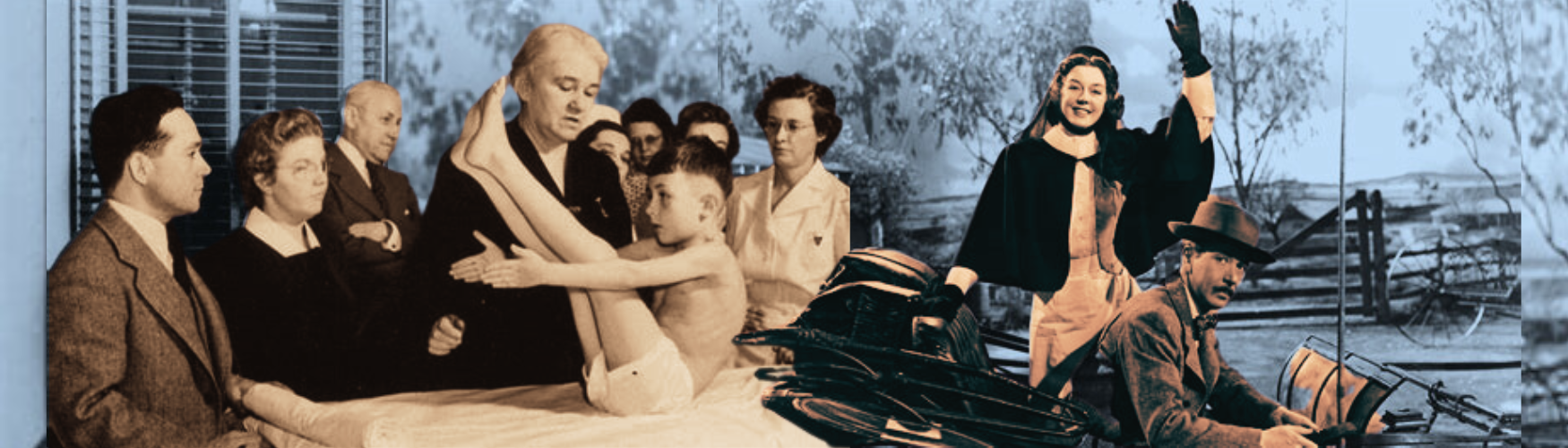
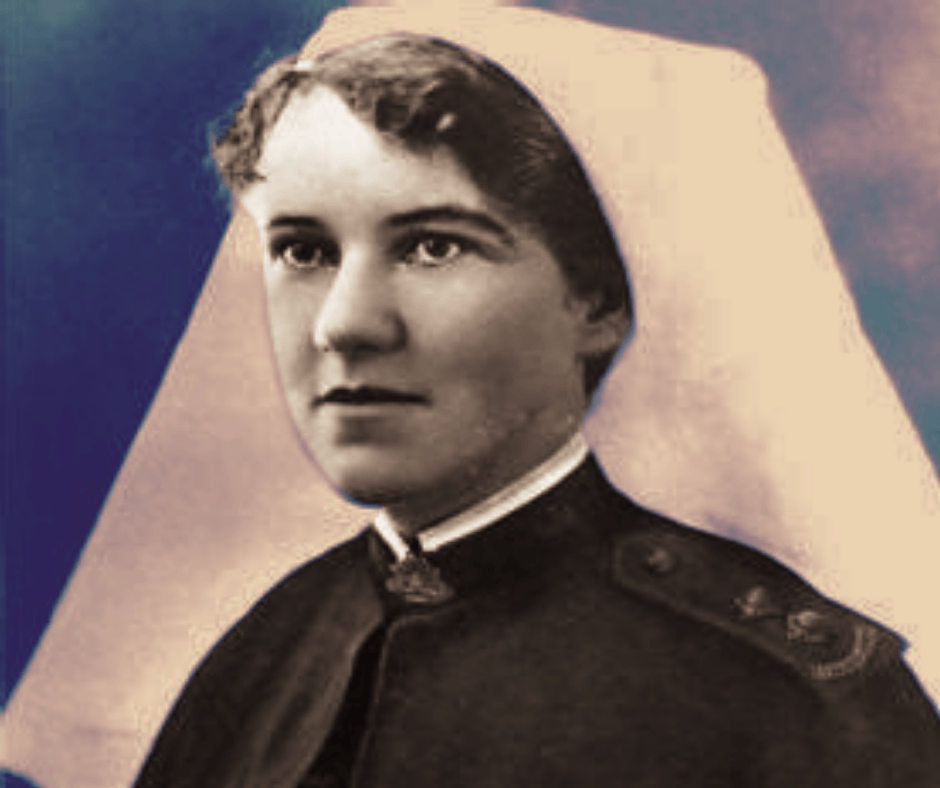
That's when I discovered Elizabeth Kenny, who lived from 1880 to 1952. And amazingly, there was a film - Sister Kenny, released in 1946, starring Rosalind Russell (who earned an Academy Award nomination for the role).
(The title "Sister" was a nursing rank, equivalent to head nurse, that Kenny earned during WWI service - not a religious title. Remarkably, she was accepted into the Australian Army Nursing Service despite having no formal nursing qualifications. She used the title for the rest of her career.)
The film tells a story about what happens when you trust your own intelligence, empathy, experience, curiosity, creativity and strength of character - even when everyone with credentials tells you you're doing it wrong.
Intelligence paired with empathy
In 1911, Kenny was working as a bush nurse in rural Queensland when she was called to a remote property. A girl lay in bed, muscles locked in painful spasms. Kenny sent a telegram to the nearest doctor, asking what to do.
The reply came back: "Infantile paralysis. Treat the symptoms."
That was it. No protocol, no textbook, no expert guidance. What she was witnessing was what we now know as Polio.
Kenny had to rely on her own intelligence to make sense of what she was seeing, combined with empathy for the child's suffering. The muscles were in spasm, so she applied heat. The heat eased the spasm, so she gently encouraged movement. Day by day, responding to what the body showed her.
And the girl recovered.
Experience building through curiosity
Kenny kept using this approach across rural Queensland. Heat, massage, movement. Her curiosity about what actually helped drove her to refine her methods with each patient. Her growing experience showed her these techniques worked. Patients improved where others hadn't.
She didn't have formal medical training. She didn't have published research or institutional backing. What she had was the confidence to trust her own capacity to observe, learn, and make a difference.
Twenty-two years later, in 1933, she demonstrated her methods to the Australian Medical Congress in Brisbane. The medical establishment's position was clear: immobilise polio patients in splints and casts. Keep the muscles still.
They rejected her approach entirely.
Strength of character over systems
The medical establishment didn't just disagree with Kenny's methods. They dismissed her because she lacked the right credentials, the right framework, the right language to explain what she did in their terms.
She didn't fight them publicly. She didn't try to force herself into their system or translate her methods into their language. She just kept treating patients. Because she'd seen it work.
That took remarkable strength of character - to trust what she knew over what she was being told by every voice of authority around her.
Eventually, in 1940, she took her methods to America. The Mayo Clinic tested them.
They worked.
Here's what strikes me about Kenny's story:
The very qualities that made her want to help polio patients in the first place - her empathy, her curiosity about what actually worked, her creative problem-solving when she had no textbook to follow, her intelligence in observing patterns, her strength of character to persist - those were exactly the qualities that made her successful.
This wasn’t in spite of lacking formal credentials. Because she trusted those qualities over the prescribed system.
I see this same pattern with the women I work with.
When your qualities feel like obstacles
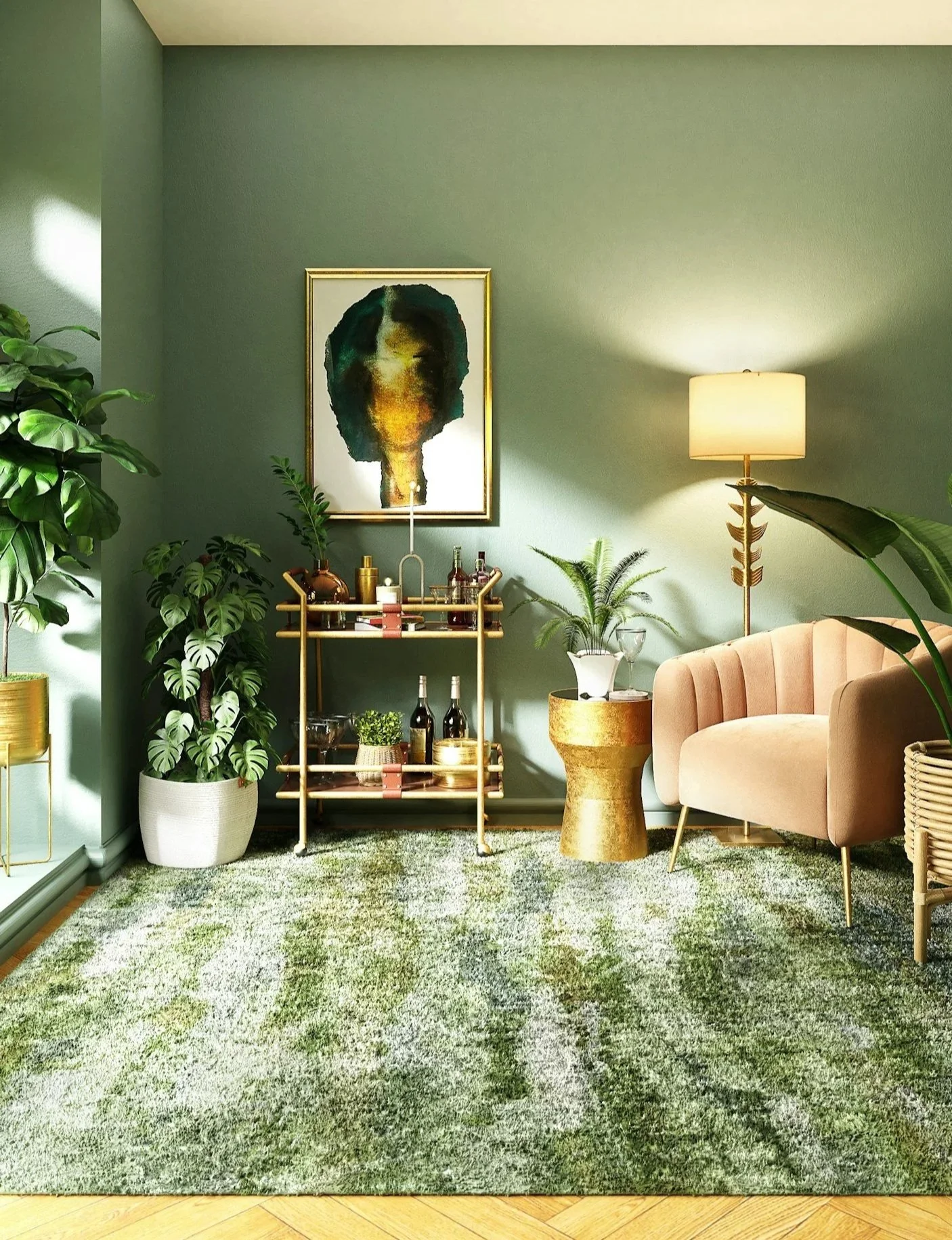
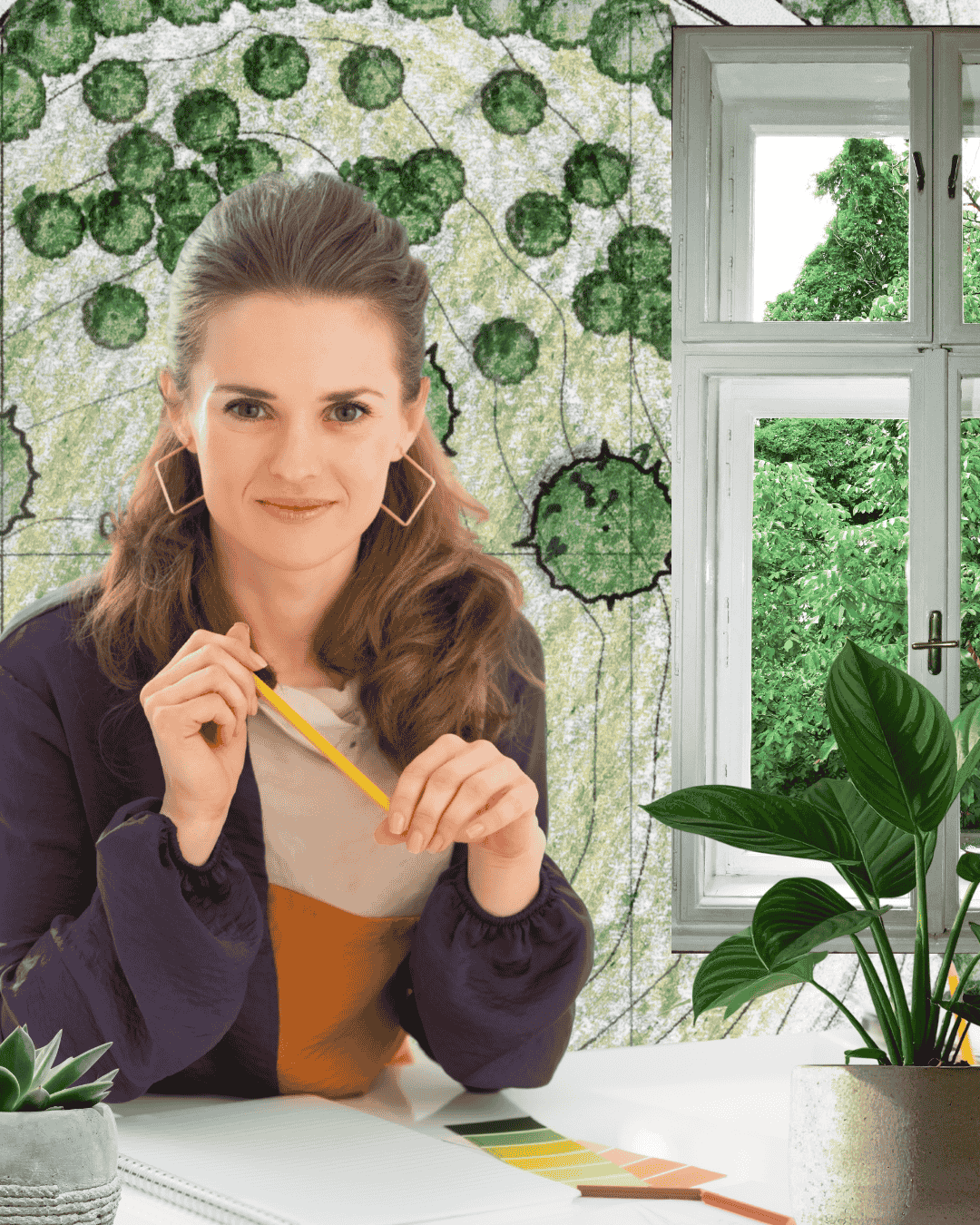
I met an architect and interior designer recently at a meetup for creative and compassionate women entrepreneurs. She's survived on word of mouth for years, creating spaces clients love. But when potential clients ask about her work, she struggles to articulate what makes her approach different.
"I know my spaces work for my client’s lives," she told me. "and people feel good in them. But I know I've been undercharging for too long … and I think it is because I can't fully believe in or express how what I do is uniquely valuable. I guess it’s imposter syndrome, like maybe I just got lucky."
She has ADHD, which means she sees patterns and connections others miss - but also struggles to organise those observations into the kind of clear expressions that help people trust me and get excited about the potential of working with me.
The voices online are strong: you need a clearer process. A signature style. A way to package your approach that sounds impressive.
But that's not how her work actually functions.
Her intelligence allows her to read how people move through and respond to spaces. Her observation of natural patterns - proportion, light, flow - has taught her what creates harmony. Her experience shows her which interventions will transform a space beyond just aesthetics.
Those exact qualities - the ones that made her brilliant at the work - were the ones she was being told to suppress in favour of a rigid system.The foundational work she needs isn't better marketing tactics.
It's connecting to what in her lived experience gave her this particular way of seeing spaces.
Where does this sensitivity to proportion and flow come from?
When professionals make those connections, something shifts.
They find language for who they are and why this work matters to them specifically.
Not a signature style. A purpose rooted in their actual capacities and way of seeing.
And with that comes the natural confidence to raise prices …
not because they've created impressive packaging, but because they finally understand the value of what they bring.
You can feel that kind of clarity in your body. It's not trying or performing. It's stepping into being your true best self.
Trusting what drives you
The women I work with often share similar qualities:
Intelligence that sees patterns and connections others miss.
Empathy that understands what people actually need, not just what they say they want.
Experience built through careful observation rather than prescribed training.
Curiosity that keeps them learning and adapting.
Creativity that finds solutions outside conventional approaches.
Strength of character to care deeply about their contribution.
These are the exact qualities that make you want to create a business on your own terms.
And these are the exact qualities that will allow you to succeed and thrive.
But only if you trust them.
The voices telling you there's one right way to build a business often have other interests in mind.
They're selling a system that works for them, not necessarily for you.
Elizabeth Kenny's methods didn't fail because they were wrong.
They failed to gain acceptance because she was trying to convince people who had invested their entire careers in a different system, people whose interests lay in maintaining that system.
When she stopped trying to convince them and instead found people willing to test what actually worked, everything changed.
Your intelligence knows what resonates
You already know what helps your clients.
Your intelligence has observed the patterns.
Your empathy understands what they're experiencing.
Your experience has taught you what actually works,
even if you can't always articulate it in the language other people use.
The challenge isn't your expertise. It's being told you need to translate your natural way of working into someone else's system before you're allowed to be visible.
How to trust your innate wisdom in your visibility:
If you work intuitively (reading energy, micro-expressions), communicate in ways that honour your sensitivity rather than forcing yourself into scripts
If you've developed approaches through observation, speak from your experience rather than trying to sound like textbook definitions
If you see connections others miss, trust that your unique perspective is valuable, rather than hiding it behind generic business language
A landscape designer who reads how people naturally move through outdoor spaces doesn't need to learn copywriting. She needs the process of understanding what makes her way of seeing valuable - which is actually the work of becoming her true best self.
An architect who's developed her approach through noticing how light and proportion affect wellbeing doesn't need marketing formulas. She needs to connect with why this matters to her specifically, which reveals the confidence that was always there.
An interior designer who sees connections between biophilic elements and human responses doesn't need persuasive techniques. She needs to speak from genuine insight about her own lived experience - the foundation of authentic visibility.
The creativity to design your own path
Kenny didn't just trust her methods. She had the creativity to keep finding ways to practise them, even when the establishment said no. Backyard clinics. Makeshift treatment spaces. Eventually, a completely different country.
Your creativity isn't just for solving client problems. It's for designing how you show up, how you communicate, how you make your work visible in ways that feel authentic rather than forced.
Creative approaches to visibility that honour your natural strengths:
Deep conversations instead of surface-level social posts
Visual storytelling that captures complex ideas without reducing them
Audio or voice notes where tone and nuance carry meaning words alone can't
A podcast over a YouTube channel if speaking feels more natural than being on camera
A printed zine over an email sequence if you think and create visually
The possibilities are endless when you design from your strengths rather than following prescribed formats
The consultant I mentioned? Once she reconnected with her purpose - the real, lived, embodied reason she does this work - she found her own creative approach to visibility. Not through a posting schedule or perfect graphics. Through speaking from that deeper place of knowing, in ways that felt natural to her.
It draws exactly the kind of clients who need what she offers. Because they're not looking for generic frameworks. They're looking for someone who sees what they're experiencing because her particular combination of intelligence, empathy, and experience taught her to see it.
Character over conformity
Here's the hardest part: trusting your own qualities over prescribed systems requires strength of character.
Because you'll be told you're doing it wrong. That you need more structure, more consistency, clearer frameworks. That your natural way of working is too intuitive, too responsive, too difficult to scale or explain.
Kenny faced that for 22 years.
The question isn't whether you'll face resistance.
It's whether you have the strength of character to keep trusting what you know works, even when voices with other interests are telling you to follow their system instead.
Not everyone will understand your approach. Not everyone needs to. Kenny didn't convince the Australian medical establishment. She found Americans willing to test what she knew worked.
You don't need to convince everyone. You need to find the people who are ready to see what you see, who need exactly the particular combination of qualities you bring.
What actually needs to change
I'm not suggesting you abandon all structure or never plan your approach to visibility. That would be as rigid as insisting everyone follow the same template. What I am suggesting is this:
Take care not to suppress the very qualities that drew you to this work in the first place.
Your intelligence, empathy, experience, curiosity, creativity, and strength of character aren't obstacles to overcome. They're not qualities you need to work around or translate into someone else's language.
They're exactly what your business needs to thrive.
When you design your approach to visibility from these qualities rather than trying to force them into prescribed systems, something shifts.
The communication that felt exhausting becomes energising.
The marketing that felt fake becomes authentic.
The business that felt like wearing someone else's clothes starts to feel like coming home.
Finding your community
Elizabeth Kenny couldn't get validation in Australia, so she didn't stop practising. She kept helping patients, kept refining her methods, and eventually found a community willing to test what she knew worked.
The Barefoot Businesswomen's Directory exists for a similar reason. It's a space for women who trust their own intelligence, empathy, experience, curiosity, creativity and character over prescribed business systems.
Women who care deeply about their contribution and won't compromise their integrity for visibility.
Women who need to be found by the right people without becoming someone they're not in the process.
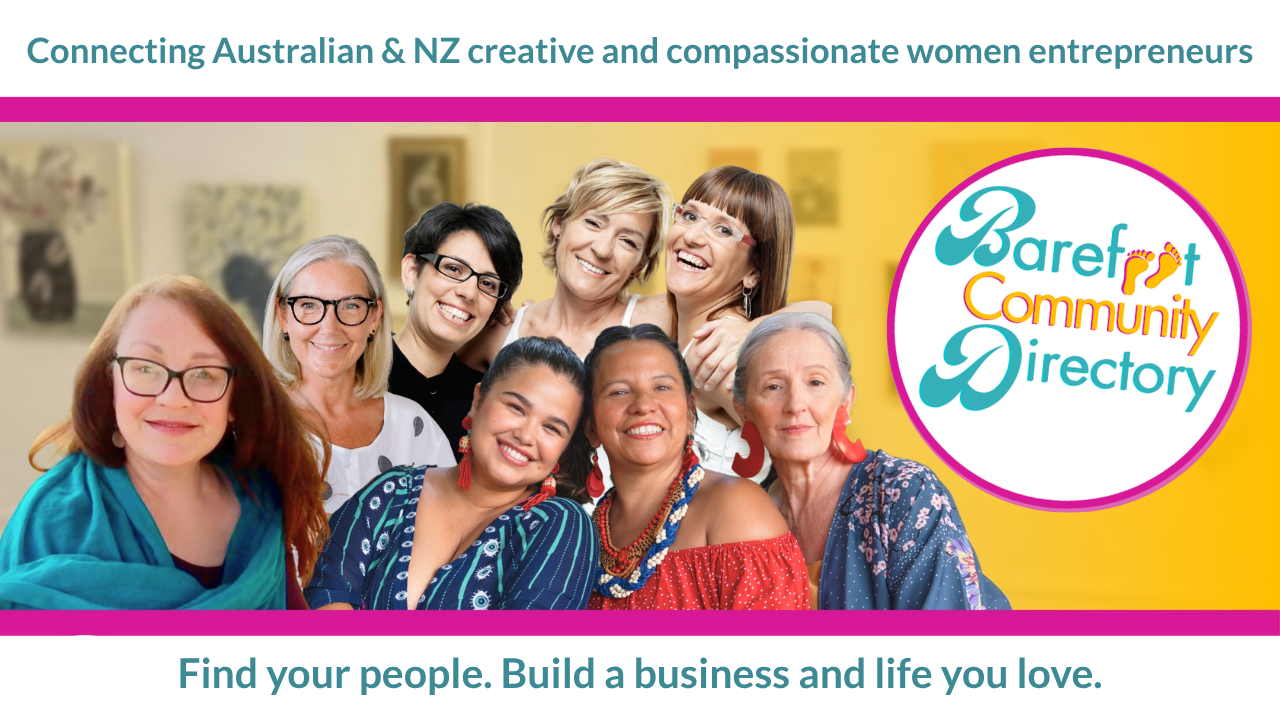
It's for Australian and New Zealand creative and compassionate women entrepreneurs to connect, collaborate, refer, and share wisdom, while becoming more visible.
Right now, founding members can join for just AUD $45/year, for life. From 2026, the price increases to $120 as we add opportunities to connect in ways that work with your natural strengths, not against them. You'll also be able to invite other creative and compassionate women entrepreneurs from your network to join us, helping build a community of like-minded people. For each person who joins through your invitation, you'll receive $50 as thanks for strengthening our collective.