Magic Beans: The Full Story Behind the Beans in Your Jar
Hello!
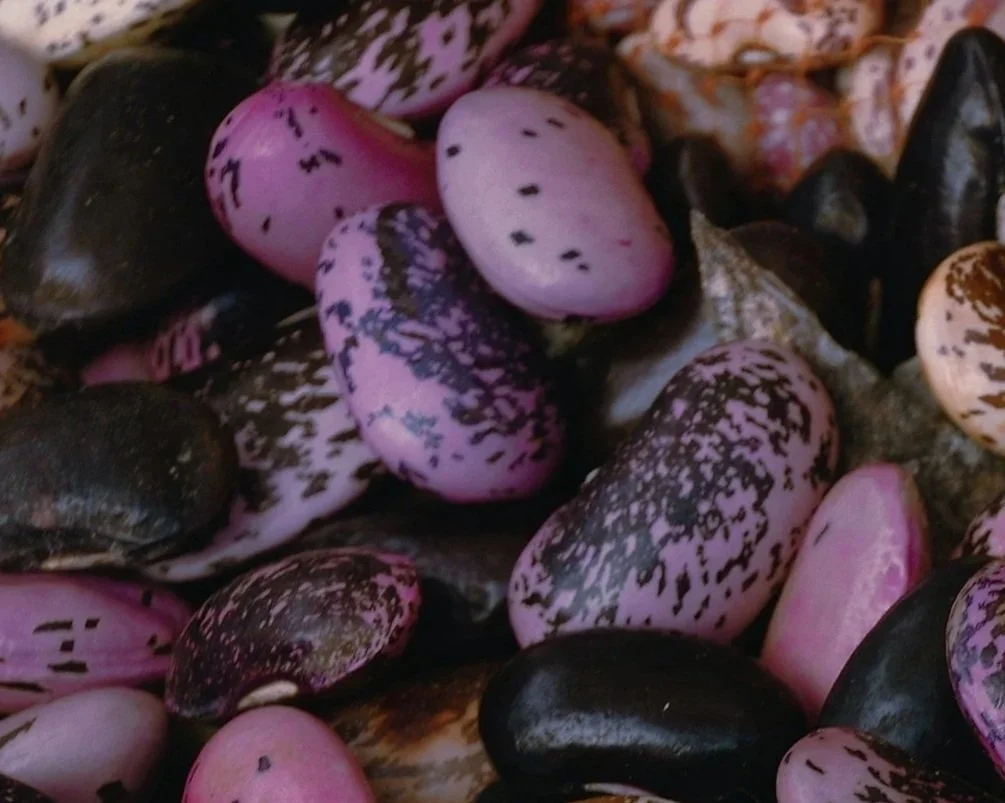
Chances are you're here because you bought some magic beans from my market stall in the Yarra Valley and turned over the zine to find this page.
Which means you're exactly the kind of person who always wants to know more.
Good.
Because there's more to know.
A lot more, actually.
Possibly more than a lifetime's supply of baked beans.
… Well, maybe.
These beans didn't just travel here from Mexico hundreds of years ago. They have a much more recent story too, and to tell it properly we need to go back to 1974, when a family in the Yarra Ranges planted their first vegetable garden.
THE NECKLACE
In 1974, a man named Lionel Jesse, who had travelled from England to Australia to start a new life with his family, grew scarlet runner beans in his backyard veggie garden. His wife Helmtraut, known as Helmi, came from Germany and taught science at Yarra Junction High School. Later, the family ran Beenak House as a guest house, welcoming visitors from all over the world to stay in their home in the forest. At the time of writing, Helmi is 103 years old!
Lionel and Helmi had five children. Keith, the youngest, was just three years old when the family sailed to Australia. He grew up at Beenak, and he is now my partner, kind of like a husband but without the wedding. Keith loves the garden and plants something nearly every day. He likes eating tofu, having the chickens grazing around his ankles while he works in the garden, and is passionate about protecting wildlife and the forest habitat.
But back to 1974. Keith was in high school. He was helping to shell the beans and on a whim decided to string some into a necklace with a needle and thread.
Then life moved on, and the necklace got tucked away somewhere and forgotten about.
Decades later, in around 2016, Keith found it. The beans were still strung together all these years later. For fun he decided to plant them, necklace and all, to see what would happen.
Believe it or not, they grew!
The beans you're holding right now came from plants …
grown from beans …
that grew from plants ……
that grew from beans in that necklace.
That’s pretty cool magic, right?!
.. ..
WHEN NOTHING HAPPENS
If you planted your beans and waited a few weeks, nothing happened, and you’re feeling disheartened … this is for you:
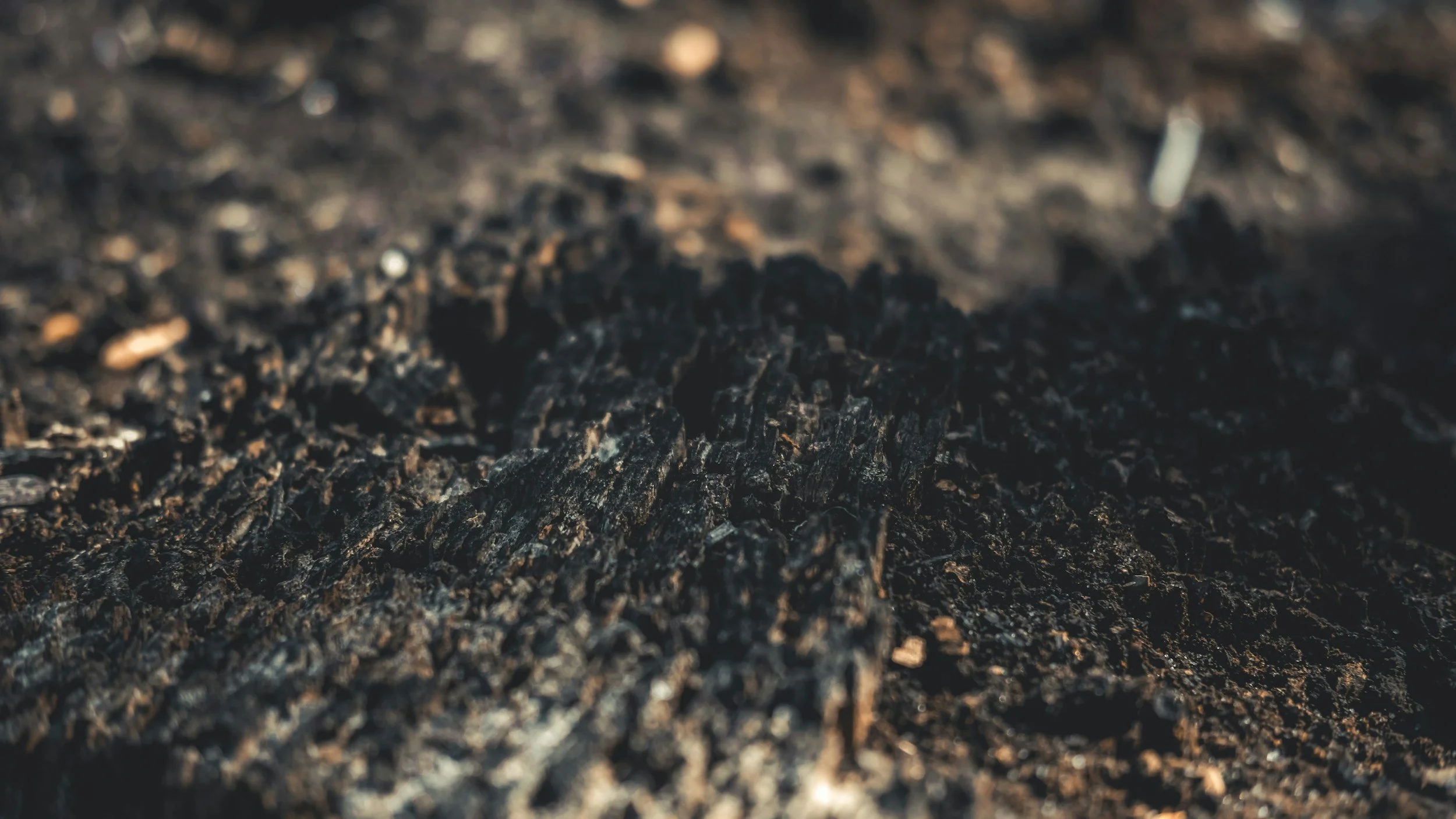
Sometimes beans don't wake up. It's not your fault and it's not a dud batch, it's just nature being unpredictable.
Here's what could have gone wrong and what to do about it:

Perhaps the soil was too cold. Scarlet runners need soil that's consistently above 10 degrees Celsius at night before they'll bother germinating. In Victoria that usually means waiting until October at the earliest, November if it's been a cold spring. If you planted too early, try again once the nights warm up.

Maybe the soil was too wet. Soggy soil rots seeds before they sprout. The soil should feel slightly damp, like a wrung-out sponge, not waterlogged.

Possibly something ate them. Snails, slugs, and mice all find bean seeds extremely appealing. If something has been digging around your planting spot, that's probably your answer. Replant a little deeper and consider a physical barrier.

Or it could be that they just didn't make it. Sometimes seeds fail for no clear reason. That's gardening. Plant again.
If your beans haven't shown any sign of life after two weeks, send us a note on my CONTACT page and I’ll personally post you some more, for free. Just remember to tell me what address to post them to.
.. ..
THE SECRET SCIENCE
If you’re into germs and dirt and facts … here’s something SUPER cool about beans that just wouldn’t fit in the mini zine.
Your scarlet runner bean is running a secret operation underground.
Right now, living inside its roots, there are billions of bacteria called rhizobia. They are so small you could fit thousands of them on the full stop at the end of this sentence. Yes, that one. And they are doing something almost nothing else on earth can do.
… They are sucking nitrogen straight out of thin air.
Seventy-eight percent of the air around you right now is nitrogen.
It's invisible, it's everywhere, and almost no living thing can use it in that form. Except rhizobia. They grab it from the air, convert it into something the plant can actually eat, and the plant feeds them sugars in return. They've had this deal going for millions of years.
Why does it matter? Well … EVERY plant on earth needs nitrogen to grow. It's what makes leaves green and stems strong and everything alive. But almost no plant can get it from the air. They have to find it in the soil, dissolved in water, sucked up through their roots.
If the soil runs out of nitrogen, plants go pale and thin and don't produce much.
Beans to the rescue!
The rhizobia in the bean's roots are constantly converting atmospheric nitrogen and storing it in tiny little nodules, like secret nitrogen parcels, all along the roots. When the roots die and break down at the end of the season, those parcels burst open and release all that nitrogen straight into the soil. Other plants growing nearby get to use it. The whole garden benefits.
And because these are Seven Year Beans, this goes on for up to seven seasons. Seven years of secret underground nitrogen building up in the soil around them. When they finally finish, they leave the garden richer than they found it.
Not many living things can say that!
The worms think it's brilliant of course. They eat the decomposing roots, and their castings (worm poo) enrich the soil even further. Worms make everything better.
.. ..
Last but not least, I thought you might like a recipe for baked beans so you can have a feast after you’ve picked your amazing crop…
HOMEMADE BAKED BEANS ON TOAST
Worth waiting 5 months for. Serves 4.
You'll need:
400g dried scarlet runner beans (soaked overnight in cold water)
500ml tomato passata
1 brown onion, finely diced
2 cloves garlic, crushed
1 tbsp olive oil
1 tsp brown sugar
Salt and pepper
Good bread, toasted, to serve
Method:
The night before, place your beans in a large bowl and cover generously with cold water. Leave to soak overnight. In the morning, drain and rinse them, then cover with fresh water in a large pot, bring to the boil and simmer for 45-60 minutes until just tender. Drain and set aside.
In a heavy pan, warm the olive oil over medium heat. Cook the onion until soft and golden, about 10 minutes.
Add the garlic and stir for another minute.
Add the passata and brown sugar. Stir to combine, then add the cooked beans.
Simmer gently for 20-30 minutes until the sauce thickens and the beans are completely soft.
Season with salt and pepper.
Serve on thick toast.
Enjoy - I think food always tastes better when you’ve grow it! I’d be interested in what you think about that.